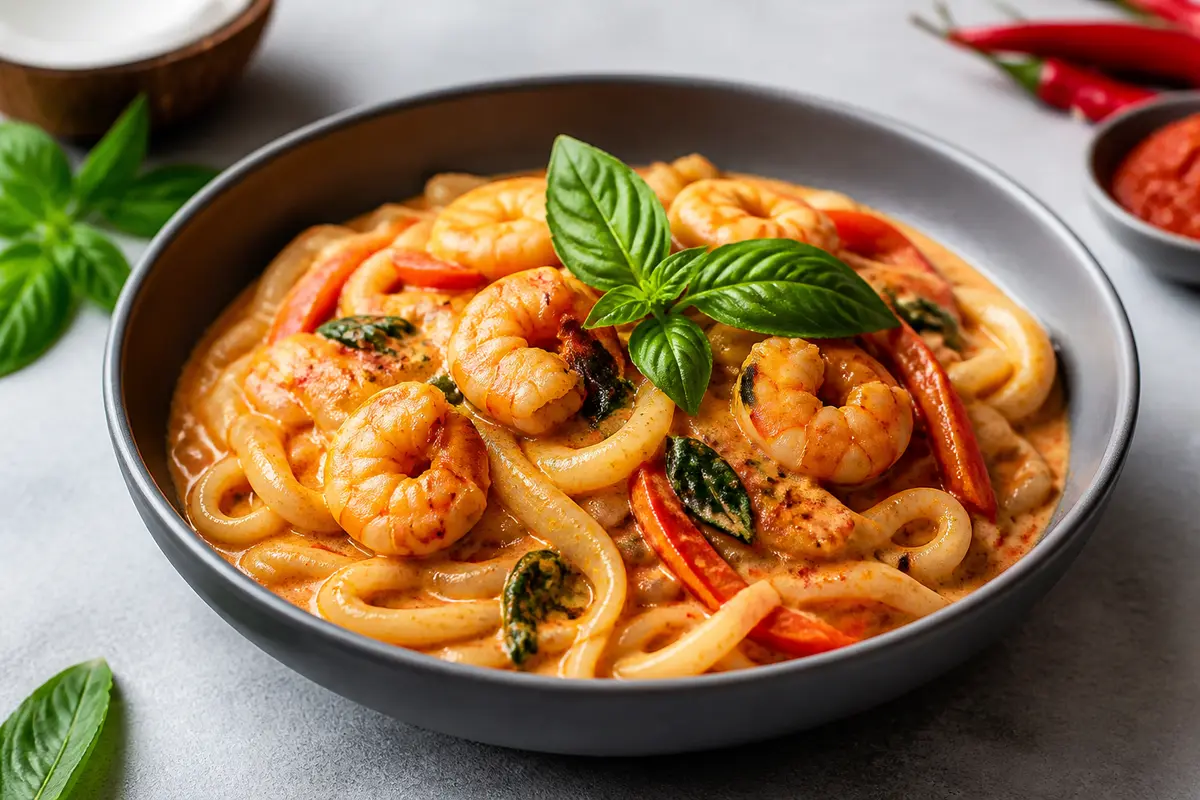
Mild Red Curry Udon with Shrimp, Coconut and Thai Basil
An original Asian-inspired dish featuring stir-fried udon noodles and juicy shrimp in a silky mild red curry sauce with coconut milk, lime, and a touch of honey, finished with bell pepper, snow peas, and fresh Thai basil.
Ingredients
- 400 g vacuum-packed cooked udon noodles (separados with the manos)
- 500 g raw shrimp, peeled and deveined (without cola if preferred)
- 400 ml coconut milk (whole)
- 45 g red curry paste (suave or moderada)
- 150 g red bell pepper, thinly sliced (approx. 1 medium)
- 120 g snow peas (without hebras si es necesario)
- 60 g shallot, thinly sliced
- 12 g garlic, minced
- 15 g fresh ginger, grated
- 30 ml soy sauce
- 15 ml honey
- 30 ml lime juice (freshly squeezed)
- 10 ml toasted sesame oil
- 30 ml vegetable oil (divided)
- 15 g Thai basil (leaves sueltas, more extra for terminar)
- 30 g scallion, thinly sliced
- 9 g sesame seeds (for decorar)
- 1 g red pepper flakes (optional)
Nutrition facts
per serving
Approximate nutritional information. Estimated from the recipe’s ingredients and amounts, using standard reference nutrition values. It may vary with brands, sizes and cooking method. For guidance only; not a substitute for medical or dietary advice.
Allergens
Instructions
- 1
1. In a bowl, whisk together the coconut milk, red curry paste, soy sauce, honey, lime juice, and toasted sesame oil until smooth. Set aside.
- 2
2. Pat the shrimp dry with paper towels and toss them with the red pepper flakes if using.
- 3
3. Heat a wok or large skillet over medium-high heat for 1 to 2 minutes, about 375°F to 400°F / 190°C to 205°C at the cooking surface. Add 1 tablespoon vegetable oil and stir-fry the shrimp for 1 to 2 minutes per side, until pink and just cooked. Transfer to a plate.
- 4
4. In the same pan, add the remaining 1 tablespoon vegetable oil. Add the shallot, garlic, and ginger, and stir-fry for 1 minute until fragrant, stirring constantly so they do not burn.
- 5
5. Add the red bell pepper and snow peas. Cook for 2 to 3 minutes over medium-high heat, around 375°F / 190°C, until the vegetables are tender-crisp.
- 6
6. Add the udon noodles and pour in the reserved sauce. Using tongs, separate and toss the noodles so they absorb the sauce. Cook for 3 to 4 minutes, stirring, until the sauce thickens slightly and coats the noodles.
- 7
7. Return the shrimp to the pan along with the Thai basil and half of the scallion. Cook 1 to 2 minutes more, just until the shrimp are fully cooked and the basil wilts. The safe internal temperature of the shrimp should reach 145°F / 63°C.
- 8
8. Divide among plates or bowls. Finish with the remaining scallion and the sesame seeds, and serve immediately.
Chef tips
If you want a more defined noodle texture, briefly rinse them under warm water before stir-frying to separate them more easily. Do not overcook the shrimp so they stay juicy.
Substitutions
You can substitute the shrimp with sliced chicken or firm tofu. Thai basil can be replaced with cilantro, though the flavor profile will change. For a gluten-free version, use gluten-free tamari and certified gluten-free noodles instead of traditional udon.
What I used to make it
Generic kitchen tools that work for this recipe. You don’t need to buy anything to make it.
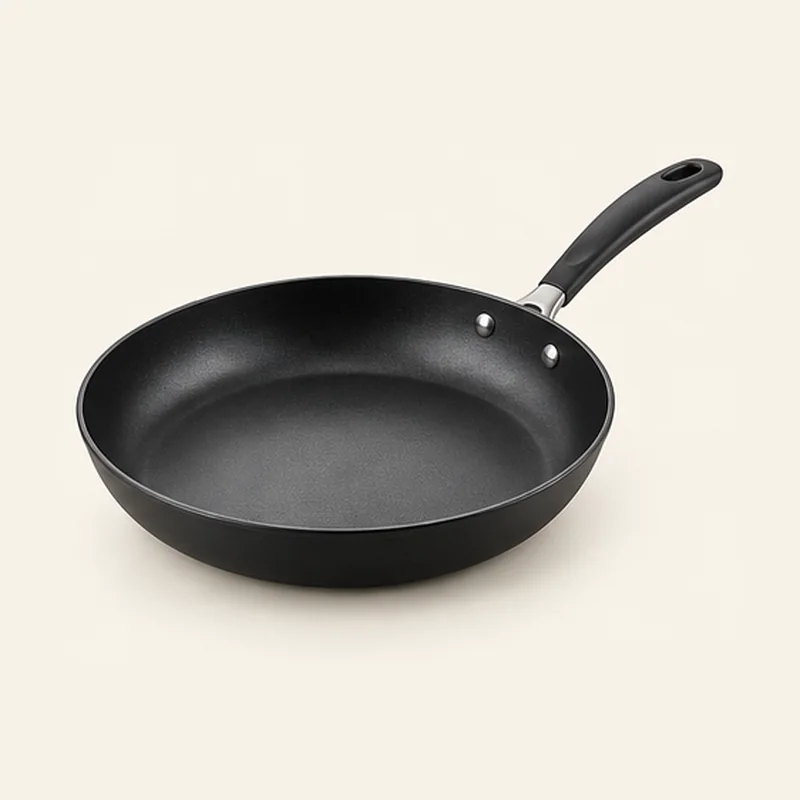 Illustrative image
T-fal Ultimate Hard Anodized 12" Non-Stick Pan
Eggs, omelets and stir-fries
- Eggs and omelets that don’t stick
- Comfortable, sturdy handle
- Use wooden or silicone utensils
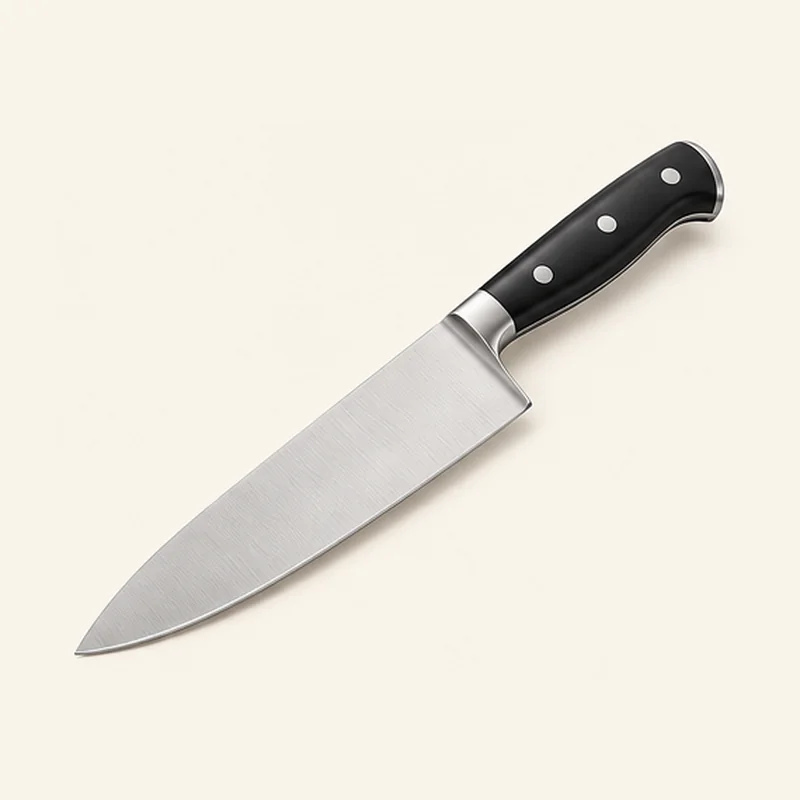 Illustrative image
Victorinox Fibrox Pro 8" Chef’s Knife
Chopping, slicing and cutting strips
- The knife I use most when cooking
- Chops, slices and cuts into strips
- Keep it sharp and hand-dry it
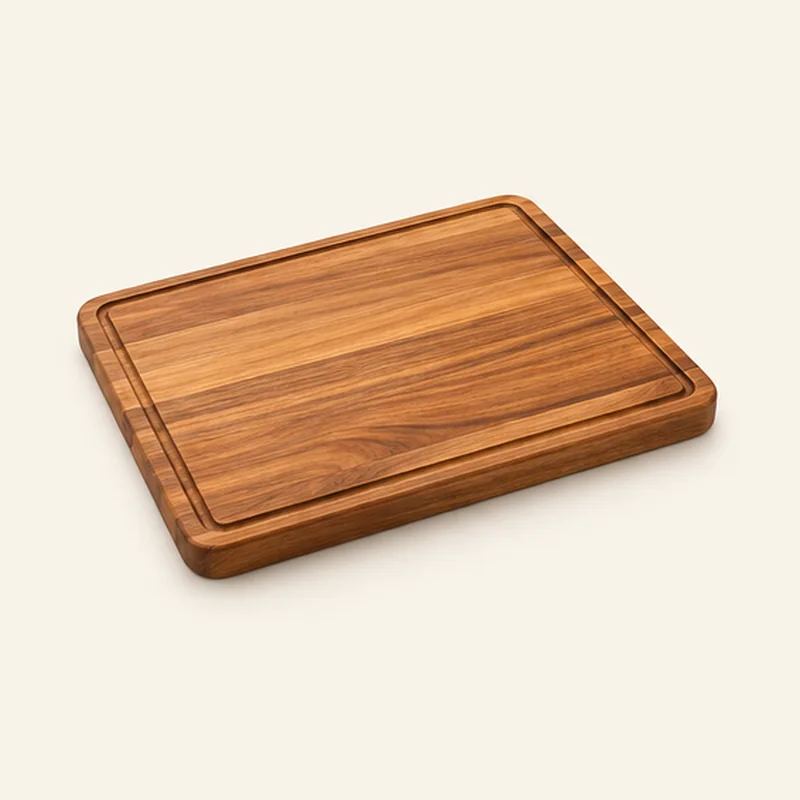 Illustrative image
Teakhaus Teak Cutting Board
Stable base for chopping
- Stable surface for chopping
- Gentle on your knife edge
- Hand-wash and let it dry
As an Amazon Associate, I earn from qualifying purchases.
Ratings & reviews
Sign in to rate this recipe
Sign inRelated recipes
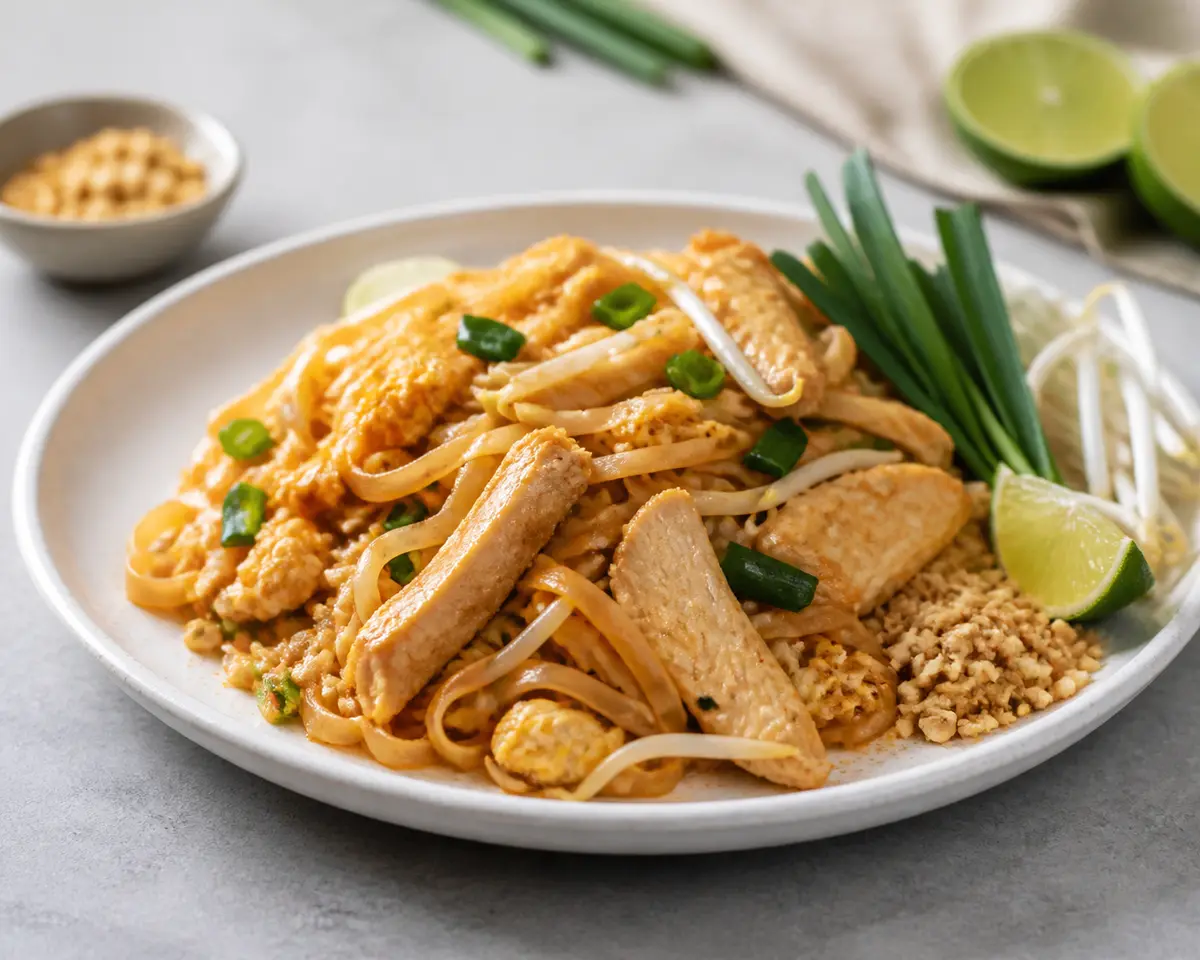
Chicken Pad Thai
35 min
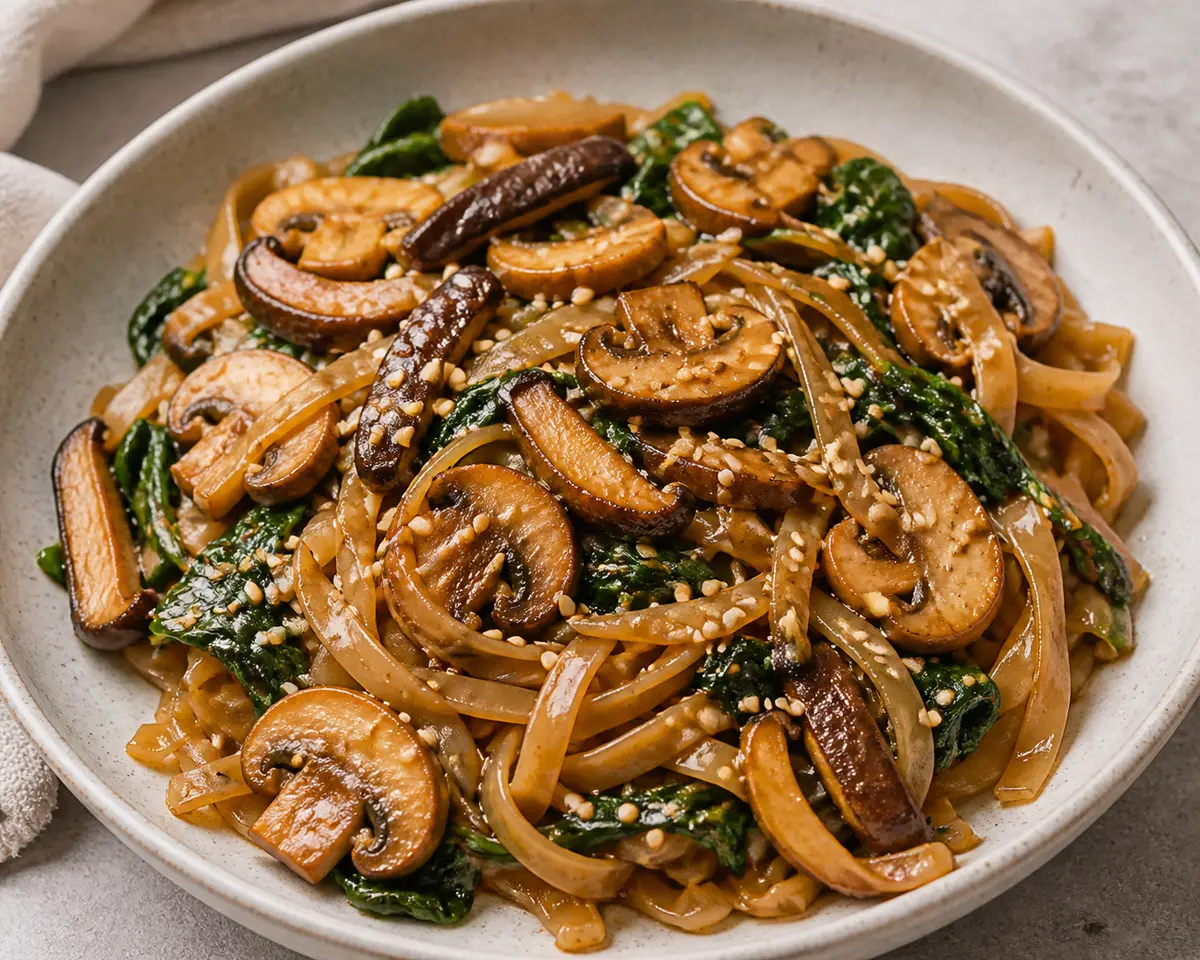
Golden Miso Rice Noodles with Mushrooms and Crispy Sesame
35 min
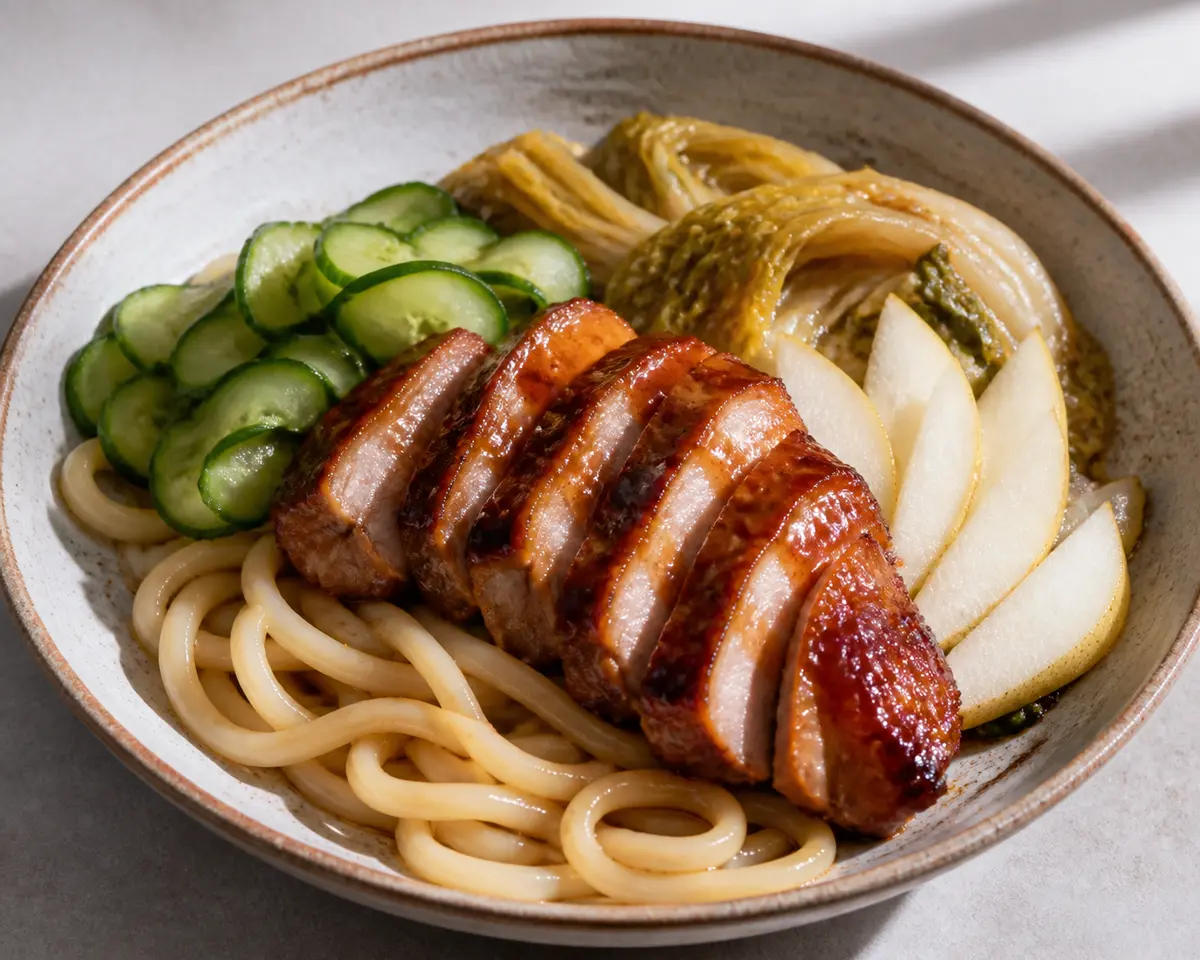
Udon Noodles with Red Miso-Pear Glazed Pork, Braised Napa Cabbage and Rice Vinegar Cucumber
45 min
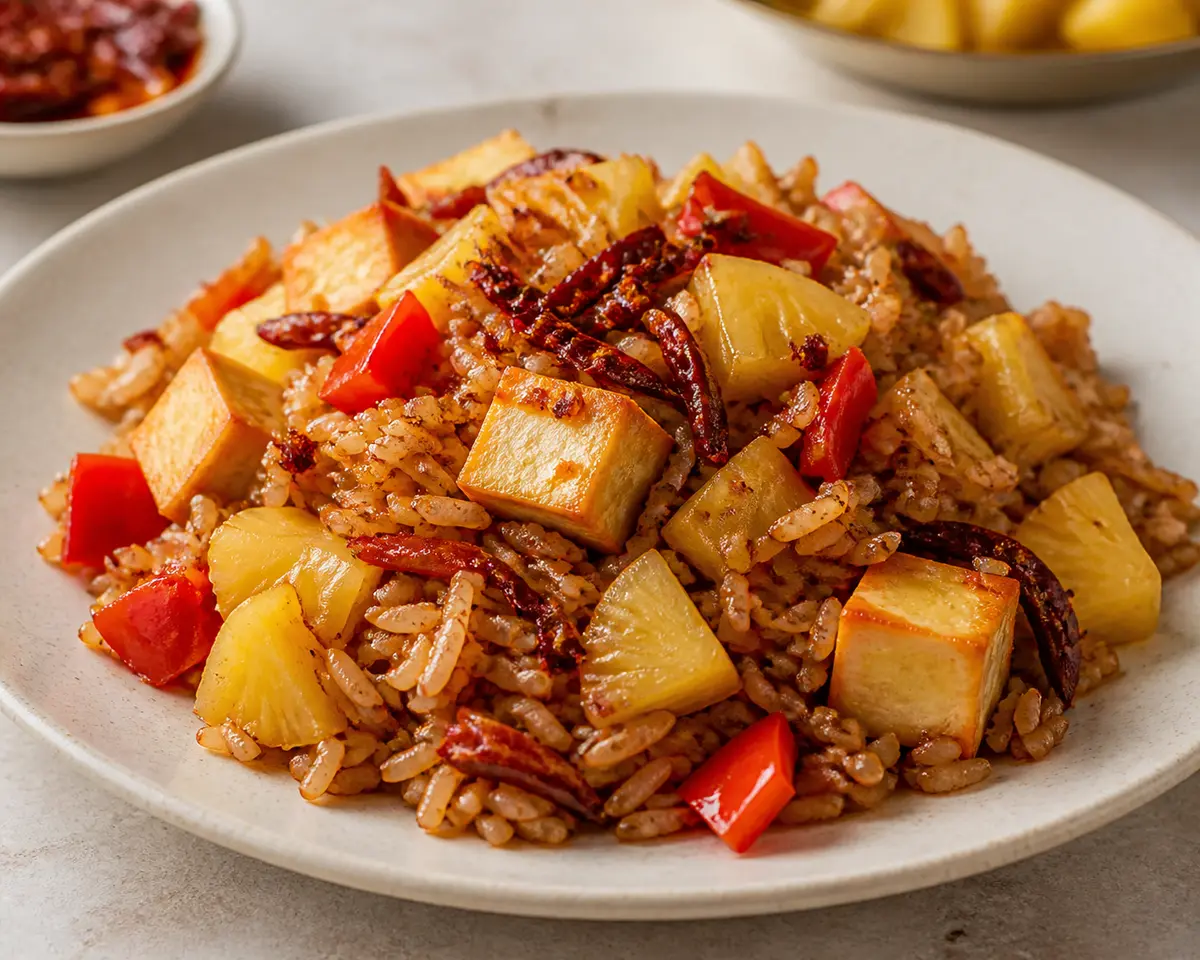
Caramelized Jasmine Rice with Tofu, Pineapple and Crispy Chili
40 min
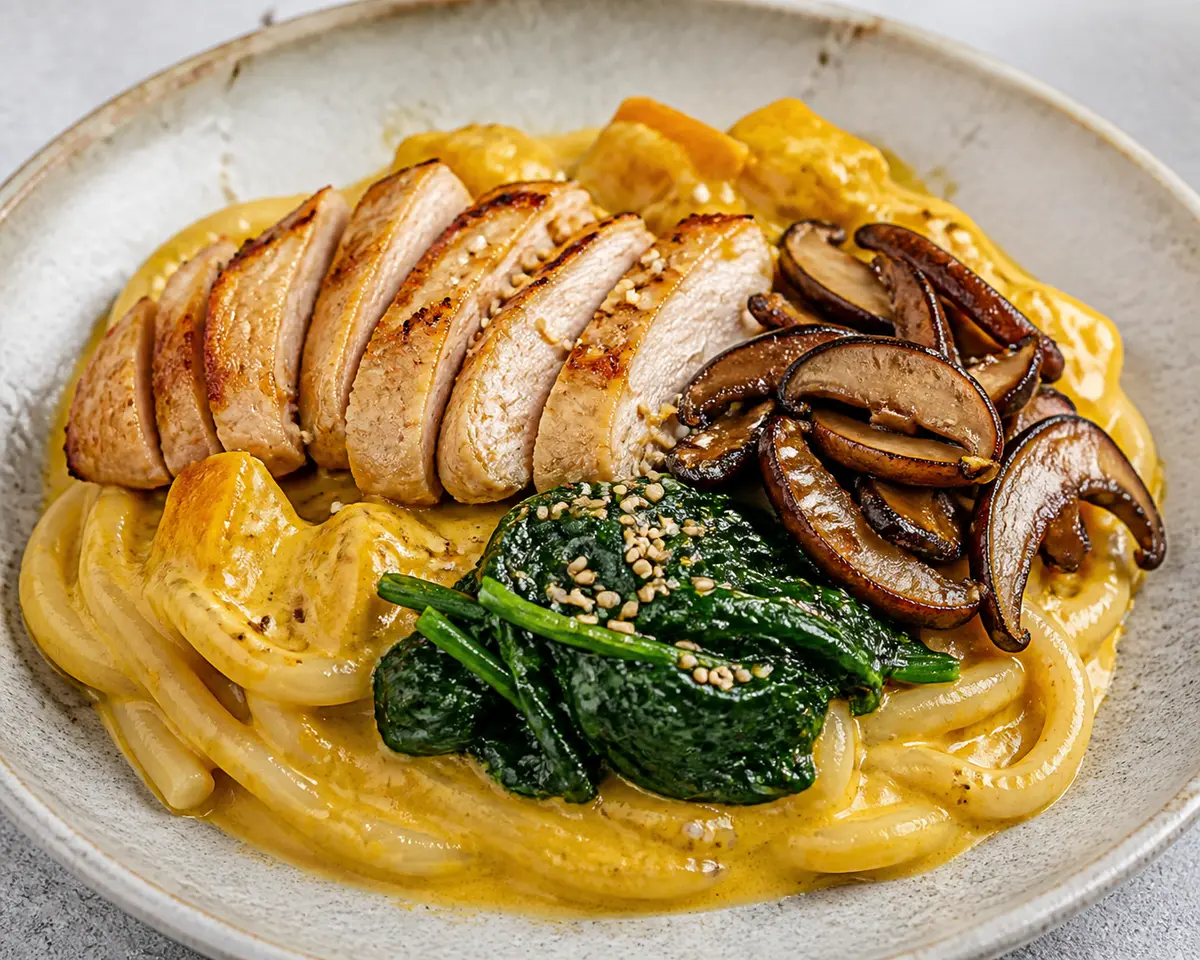
Udon Noodles with Chicken in Pumpkin Miso Sauce, Sautéed Mushrooms, and Sesame Spinach
40 min
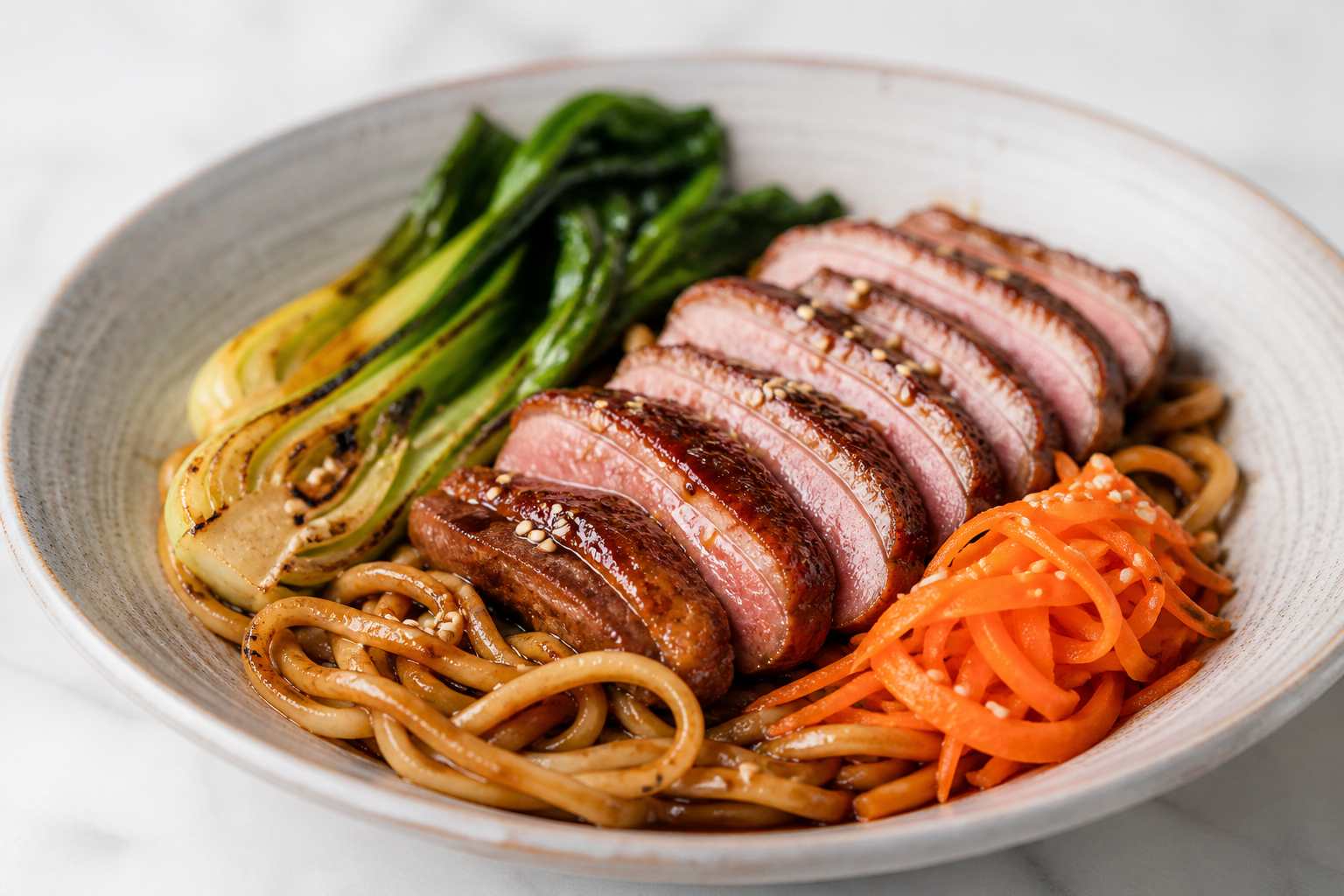
Udon Noodles with Duck in Smoked Miso and Fig Glaze, Charred Bok Choy, and Sesame Pickled Carrot
45 min